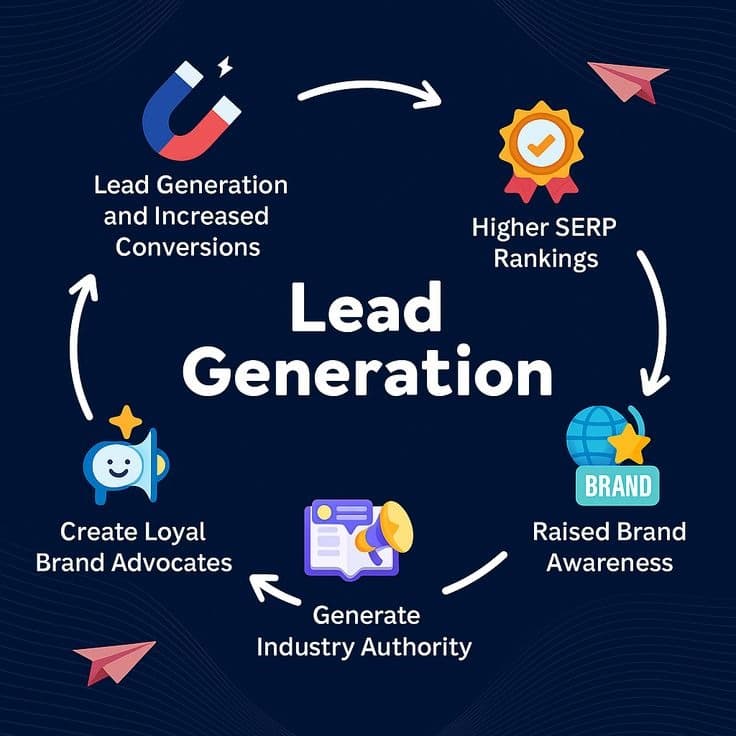
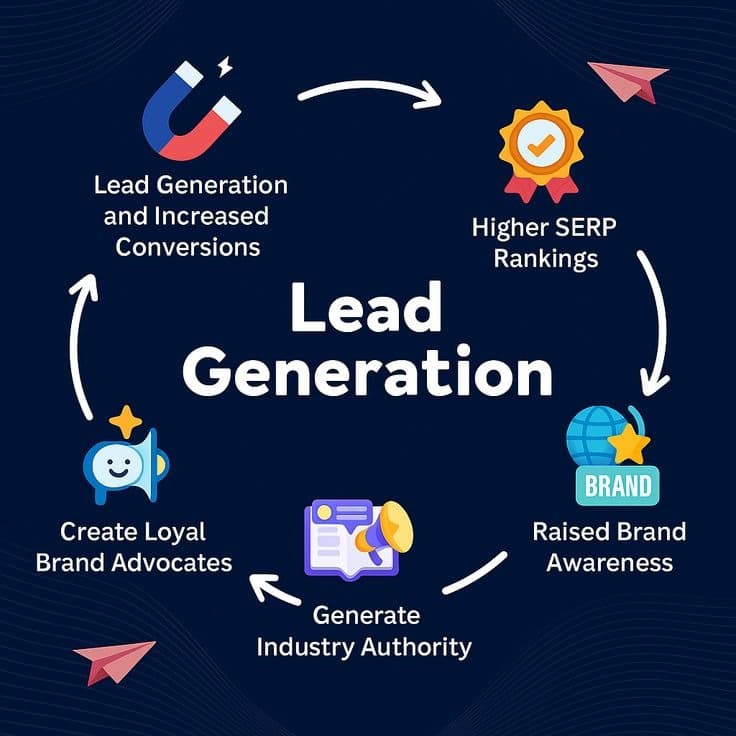
The Power of High-Quality Inbound Leads: Why Quality Beats Quantity

There is a specific kind of dread that every sales representative knows all too well. It's the feeling of looking at a spreadsheet or a CRM dashboard packed with 500 "fresh leads," only to realize after three days of cold outreach that 90% of them downloaded an e-book just to get a free template, have a budget of zero dollars, or work in an industry your product doesn't even serve.
For years, marketing and sales teams operated under a simple, brutal math problem: More leads equals more revenue. If your conversion rate is 2%, you just need a bigger top of the funnel, right?
Not anymore. In fact, chasing lead volume for the sake of hit-rate metrics is one of the fastest ways to burn out your sales team and waste your marketing budget.
Here is why high-quality inbound leads will always beat pure quantity and how shifting your focus changes your entire business dynamic.
1. The Real Cost of "Cheap" Leads
On paper, a high volume of low-cost leads looks great in a marketing report. The Cost Per Lead (CPL) is low, the graphs are pointing up and to the right, and everyone gets to celebrate a successful campaign.
But look downstream. What happens when those leads hit your sales team?
- Time Theft: Your highest-paid sales reps spend hours sending emails, leaving voicemails, and conducting discovery calls with people who will never buy.
- Morale Decay: Nothing burns out an aggressive, talented sales rep faster than a calendar full of no-shows and dead-end conversations.
- Longer Sales Cycles: Low-quality leads require endless nurturing, dragging out your average sales cycle and making revenue forecasting an absolute guessing game.
When you factor in the labor costs of sorting, scrubbing, and chasing unqualified leads, those "cheap" leads suddenly become incredibly expensive.
2. The Anatomy of a High-Quality Inbound Lead
So, what does a high-quality inbound lead actually look like? It isn't just someone who filled out a form. It's someone who has actively signaled intent and alignment. Inbound tactics consistently yield higher-quality leads because the prospect is already looking for a solution to a specific pain point. They typically match three core criteria:
- Firmographic Alignment: They actually fit your Ideal Customer Profile (ICP). They are in the right industry, at the right company size, and possess the budget to afford you.
- An Acknowledged Problem: They aren't just browsing; they are experiencing a specific bottleneck or pain point that your product or service directly solves.
- Buying Context: They are actively seeking a solution now. They didn't stumble onto your site by accident. They read your case studies, compared your features, or looked at your pricing page.
3. Why Quality Transforms Your Bottom Line
When you shift your strategy from a net-casting approach to a spear-fishing approach, the operational shift feels like night and day.
Dramatic Pipeline Velocity
High-quality inbound leads already know who you are and what you do. They've consumed your content and self-educated before ever talking to a human. Because the education phase happens before the first call, they move through the pipeline at lightning speed.
Higher Contract Values
When a buyer comes to you because they view you as the definitive expert or the exact tool they need, you retain the pricing power. You aren't entering a desperate bidding war against five other generic vendors; you are solving a specific problem they trust you to fix.
Better Customer Retention (LTV)
The seeds of customer churn are planted during the sales process. If you force a low-quality, bad-fit lead to buy through aggressive sales tactics, they will inevitably churn six months down the road. High-quality leads — people who actually need your exact solution — stick around longer, buy more, and become your biggest advocates.
The Verdict: Quality is a Culture, Not Just a Metric
Shifting your focus from lead quantity to lead quality requires a bit of bravery. It means marketing has to be okay with reporting fewer total leads to the executive team, and sales has to trust that a leaner pipeline actually means a higher closing rate.
But the businesses that make this shift win. They operate with smaller, more efficient sales teams. They spend less on generic ad spend and more on high-value content. Most importantly, they stop treating sales like a numbers game and start treating it like a relationship game.
Stop counting the leads coming in, and start counting the ones that actually matter.