The Vanity Metric Trap: More Leads ≠ Better ROI
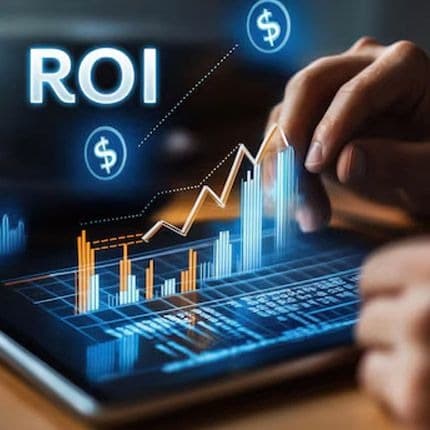
We've all seen the marketing dashboards that look fantastic on paper. The line chart for "Total Leads Generated" is curling upward, the cost-per-lead (CPL) is dropping, and everyone is celebrating a successful campaign.
Then you talk to the sales team, or you look at the actual revenue, and the reality hits: nobody is buying.
The truth is, chasing a high volume of generic leads is one of the fastest ways to burn through a marketing budget. In performance marketing today, standard form fills and cold opt-ins are facing massive fatigue. When you cast too wide a net, you don't just waste ad spend — you waste your team's valuable time filtering through junk.
If you want to maximize your return on investment (ROI), you have to shift the focus from how many people you reach to how fast you can connect with a high-intent buyer.
Here is how to build a targeted lead generation engine that actually drives profit.
Flip the Focus to Inbound High-Intent Formats
The traditional funnel relies heavily on capturing an email address and spending weeks sending automated nurture sequences, hoping to warm the prospect up.
While there is a place for long-term nurturing, it forces a long sales cycle.
To maximize immediate ROI, look for formats that capture users at the exact moment they are looking for a solution.
- Intent-Driven Search (SEO & PPC): Instead of bidding on broad, informational industry terms, focus budget on high-intent transactional keywords (e.g., "emergency commercial roofing repair" vs. "types of roofs").
- Inbound Calls (Pay-Per-Call): Phone calls represent some of the highest-intent leads available. A prospect who picks up the phone to call a business is inherently closer to a purchasing decision than someone casually downloading a free PDF.
Implement "Quiet" Qualification Filters
A common mistake in lead generation is making the conversion path so frictionless that anyone can get through. While a one-click form increases your conversion rate, it drastically lowers your conversion quality.
You can filter out low-intent traffic without completely killing your volume by adding smart, strategic friction:
- Dynamic Multi-Step Forms: Instead of asking for a name and email upfront, ask a qualifying question first (e.g., "What is your estimated project budget?" or "How soon do you need service?"). High-intent buyers are willing to answer 2–3 quick questions if it means getting an accurate solution.
- Custom Call Routing & Whispers: If you are driving phone leads, utilize call tracking features like "call whispers" (a brief, automated message played to the agent before the call connects, detailing where the lead came from) to prepare your team to close the deal instantly.
Let Data Realign Your Cost-Per-Acquisition (CAC)
To scale profitably, you have to look past the upfront cost of the lead and calculate the actual Cost Per Customer Acquired (CAC) against your Customer Lifetime Value (LTV).
Consider this scenario:
| Metric | Strategy A: Broad Blast | Strategy B: Targeted / High-Intent |
|---|---|---|
| Leads Generated | 200 leads | 40 leads |
| Upfront Cost Per Lead | $40 | $85 |
| Total Ad Spend | $8,000 | $3,400 |
| Conversion Rate to Sale | 2% (4 Customers) | 12% (5 Customers) |
| Final CAC | $2,000 per customer | $680 per customer |
Strategy B feels "expensive" at a glance because an individual lead costs more than double. But because the intent is dialed in, the conversion rate skyrockets, your total ad spend drops, and your customer acquisition cost is slashed by nearly 65%.
The Takeaway
Maximizing ROI isn't about working harder or spending more; it's about being incredibly specific. When you align your budget with channels that capture high-intent behavior, filter out the noise early, and optimize for final customer acquisition costs rather than cheap clicks, your marketing stops being an expense and starts operating as a predictable revenue engine.